



The advent of technological advancements has brought about significant transformations in various industries, and the world of gaming is no exception. One such development that has caught the attention of gaming enthusiasts globally is e-Sabong. A unique blend of traditional cockfighting and modern betting systems, e-Sabong has emerged as a digital manifestation of a popular cultural practice in the Philippines.
With roots deeply embedded in the Filipino cultural heritage, cockfighting or 'Sabong' is not just a sport but an integral part of many local communities. Traditionally involving actual roosters in a physical arena, the sport has transitioned into the digital landscape. Now termed 'e-Sabong,' this digital form allows enthusiasts from around the world to engage in the thrill of cockfighting without geographical constraints.
The rise of e-Sabong has been aided by the proliferation of online platforms dedicated to gaming and betting. These platforms provide a secure and immersive experience, leveraging advanced streaming technologies to simulate the environment of a live cockfighting event with great precision. Users can place bets in real-time, connect with other bettors, and experience the excitement as if they were in a traditional cockfighting pit.
However, the transition of cockfighting to an online format isn't without its challenges. Regulatory frameworks vary significantly across different jurisdictions. Some regions have embraced e-Sabong under strict regulations intended to prevent illegal gambling and ensure the ethical treatment of animals used in such events. Others continue to grapple with the moral implications of translating this traditional blood sport into a digital format.
Proponents of e-Sabong advocate that it brings several benefits, such as creating new economic opportunities, preserving cultural heritage, and offering fans of the sport a safe way to participate without harming live animals. Critics, however, argue that it perpetuates gambling addiction and can be considered as promoting animal cruelty, albeit indirectly.
The dynamics around e-Sabong are continuously evolving, with debates centering on ethical considerations, regulatory challenges, and technological advancements. As the digital gaming industry continues to expand, the future of e-Sabong seems intertwined with the broader trends in online betting and digital entertainment.
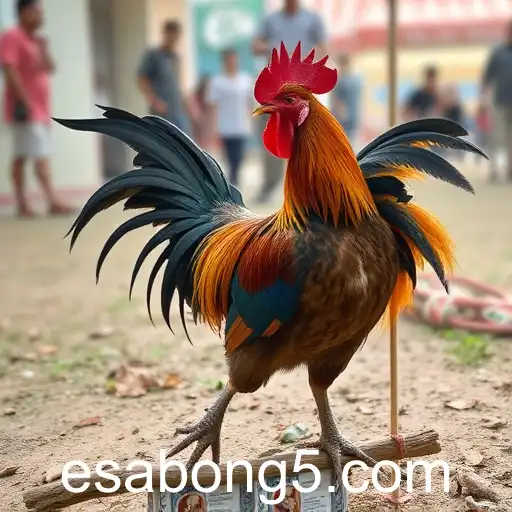
The growth of eSabong highlights the tension between digital economy expansion and gambling regulation.
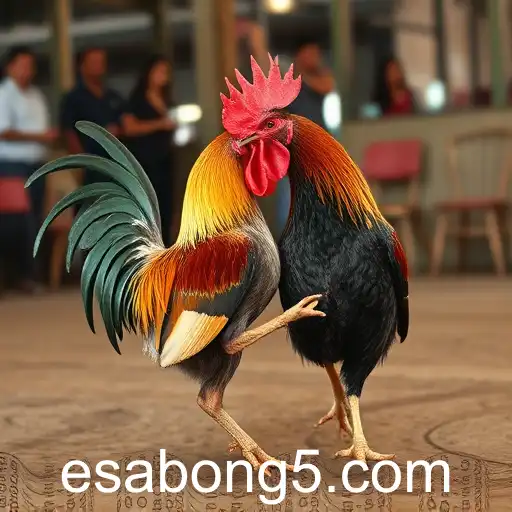
Exploring the rise of e-sabong in the digital age and its impact on traditional sports betting.

The digital age has ushered in a new era for traditional activities, with eSabong emerging as a significant player in the global gaming industry. This article explores the dynamics of eSabong, its implications in today's gaming landscape, and the societal impacts associated with its rise.

Exploring the dynamics of e-Sabong within the context of online gaming and its impact in 2025.

Exploring the evolution of cockfighting into a digital spectacle with e-sabong platforms shaping new regulations and ethical debates.

Exploring the journey and impact of e-sabong in the online gaming industry amidst evolving regulations.
